Top 5 JavaScript Effect Libraries to Master in 2026
The landscape of web animation has shifted dramatically in the last few years. We’ve moved from simple “fade-ins” to cinematic, physics-based interactions and full 3D environments that run smoothly even on mobile devices.
In 2026, user experience is no longer just about information. It’s about immersion. With the arrival of WebGPU and the maturity of browser-native transitions, the tools we use have evolved. Whether you are building a high-end branding site or a functional dashboard, these are top 5 JavaScript effect libraries (IMO) you need to know this year!
1. Anime.js (v4)
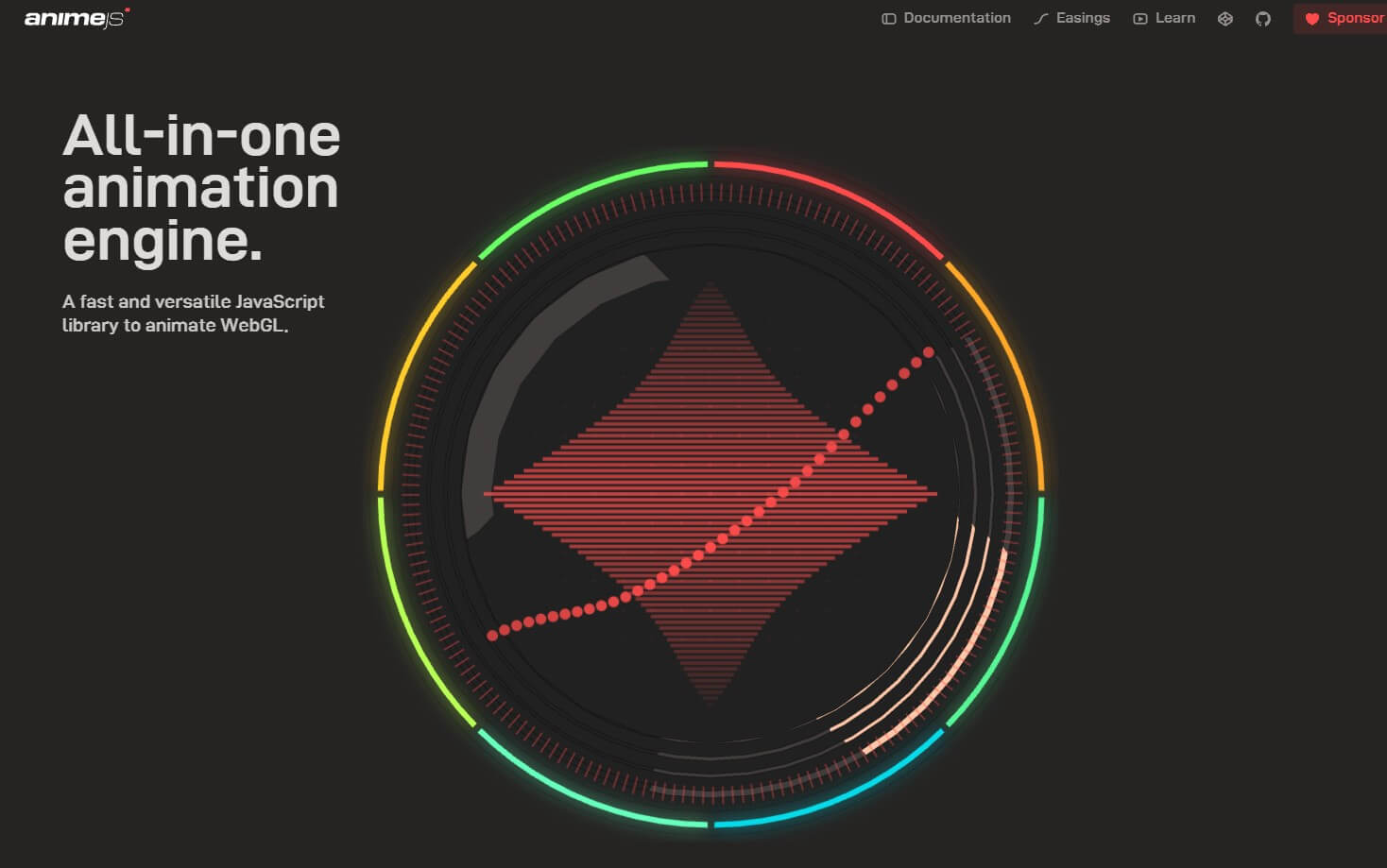
Best for: Lightweight, complex sequencing and physics.
Anime.js has been a staple in the developer’s toolkit for years, but it demands fresh attention in 2026 due to the massive v4 upgrade released last year. This update completely modernized the library, introducing a modular architecture that rivals much heavier frameworks.
Why it wins in 2026
- Modular Architecture: The biggest change is file size. You now only import the specific functions you need. If you are just moving a
div, your users aren’t downloading the code for SVG morphing. This keeps your bundles incredibly small. - New Physics Engine: The upgraded spring system allows you to simulate real-world physics—mass, stiffness, and damping—with ease. It makes UI interactions feel tactile and responsive rather than linear and robotic.
If you need a lightweight library that can still handle complex sequencing without bloating your site, Anime.js v4 is the clear winner.
2. Barba.js
Best for: Making standard websites feel like Single Page Applications (SPAs).
We all love the smooth, instant feel of a React or Vue application. But what if you are building a standard multi-page website (MPA)? In 2026, the “white flash” of a browser refresh is a UX killer.
Barba.js solves this by turning your standard website into a fluid experience. It works by pre-fetching the next page in the background when a user hovers over a link, and then transitioning the content smoothly without a full hard refresh.
The “View Transitions” Context: You might ask, “Why use Barba when the native View Transitions API is now supported in Chrome and Safari?” While the native API is fantastic for simple cross-dissolves, it is still limited in customization and lacks backward compatibility for older browsers. Barba.js remains superior because it handles the pre-fetching logic (making the site feel instant) and creates a robust lifecycle for complex transitions that native APIs can’t yet match.
3. Three.js
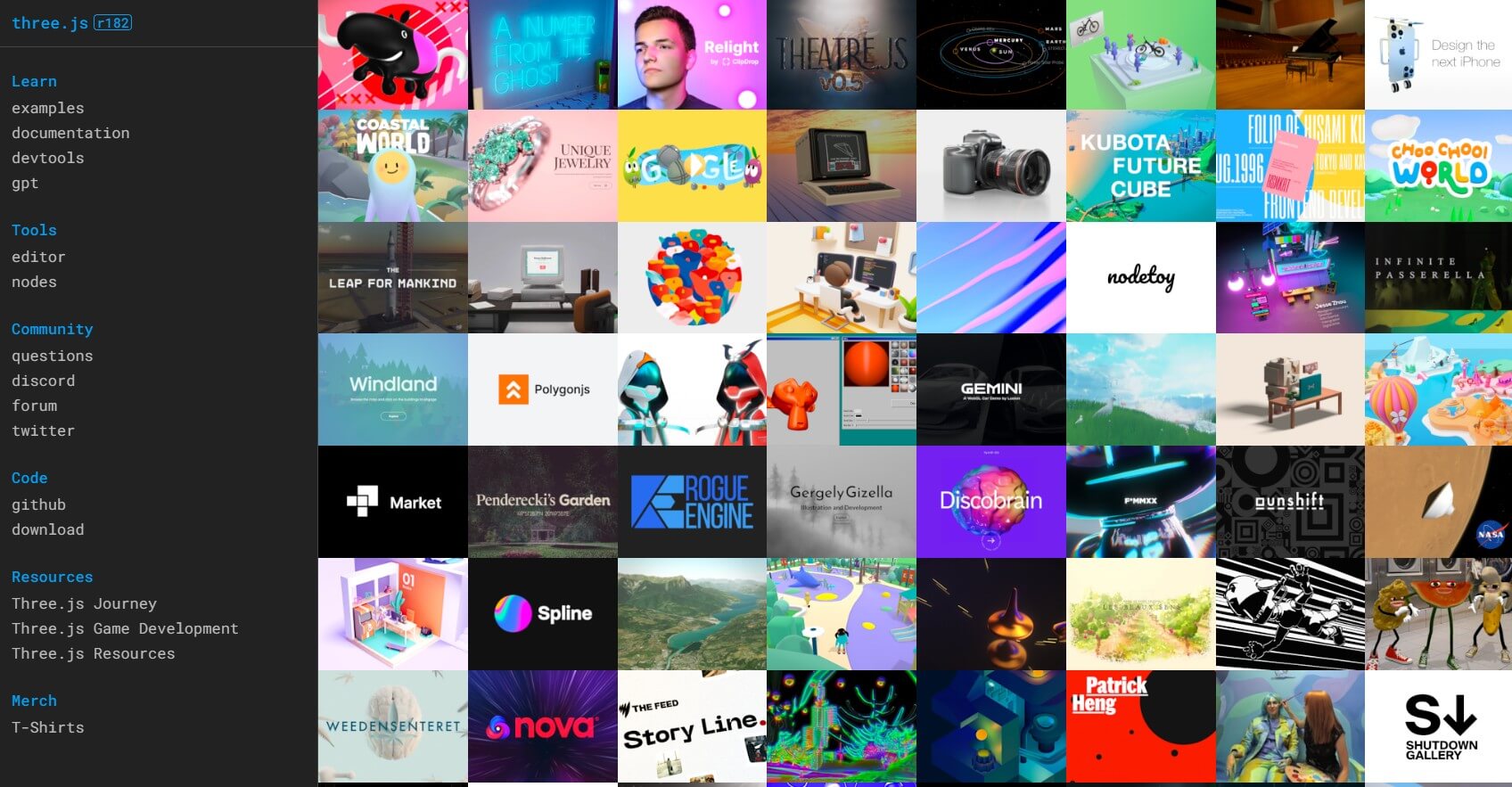
Best for: 3D Rendering and WebGPU implementation.
I have covered Three.js extensively in my tutorials, but it remains the headline act in 2026 for one specific reason: The shift from WebGL2 to WebGPU.
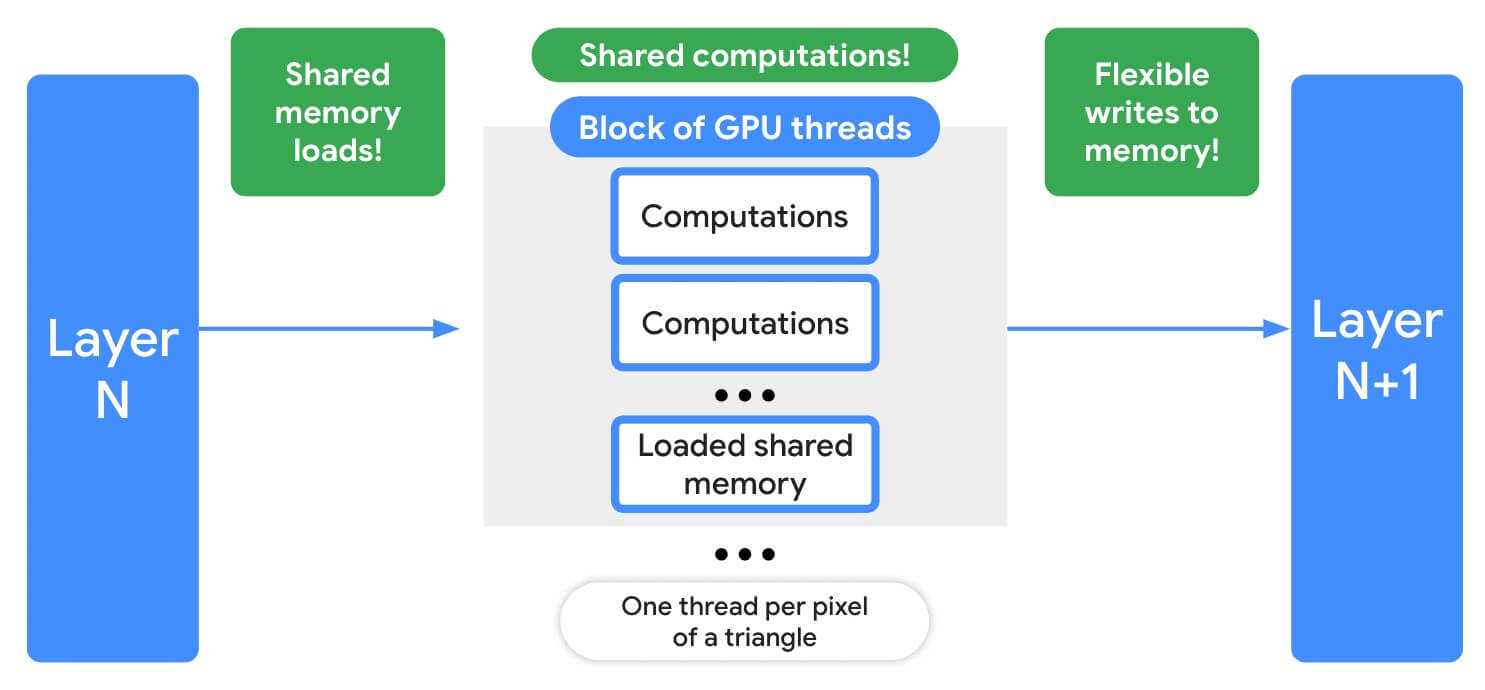
Browsers are changing how they talk to graphics cards. We are moving away from OpenGL-based methods toward modern, low-overhead frameworks like Vulkan and DirectX 12 via WebGPU. This offers a massive performance boost, allowing for scenes with thousands of objects that would have previously choked the browser.
Three.js has seamlessly transitioned to the WebGPURenderer while maintaining fallback support for older hardware. It abstracts the insane complexity of raw WebGPU, letting you create high-performance 3D scenes, games, or interactive product showcases with standard JavaScript. It is effectively the standard for 3D on the web.
4. GSAP (GreenSock Animation Platform)
Best for: Production-grade, scroll-driven, and complex timelines.
GSAP has always been the industry leader, but the landscape changed significantly last year when Webflow acquired GSAP. The biggest outcome? It is now 100% free for everyone.
Previously, commercial use required a paid membership. Now, the entire suite—including premium plugins—is open to all developers.
Why GSAP?
- ScrollTrigger: This feature alone is why most developers choose GSAP. It handles the heavy math of scroll-driven animations effortlessly.
- Reliability: It solves cross-browser inconsistencies (especially with SVG implementation) that still plague CSS animations.
If you are building a production-grade site where performance and reliability are non-negotiable, GSAP is the professional choice.
5. Theatre.js
Best for: The “Visual Director” approach to animation.
If Three.js is the camera, Theatre.js is the director.
Coding complex 3D paths by hand is tedious. Guessing coordinates, refreshing the browser, and tweaking numbers is a slow workflow. Theatre.js solves this by providing a visual editor that overlays your browser. You can grab elements, move them around, adjust the camera, and it records those movements as a JSON animation file.
It pairs perfectly with Three.js for cinematic sequences. You can “direct” your code like a movie editor, fine-tuning timing and angles visually. For creative developers in 2026 who want to bridge the gap between design tools and code, Theatre.js is essential.
Conclusion
You can watch them all in action on my Youtube channel
In 2026, the gap between “web design” and “app-like experiences” has become a thin line. The tools we have now allow us to respect the user’s time with performance (Anime.js, Three.js) while delighting them with seamless transitions (Barba.js, GSAP).
- For pure 3D: Three.js + Theatre.js is the ultimate combo.
- For UI interactions: Anime.js is your lightweight friend.
- For robust site builds: GSAP and Barba.js provide the stability you need
So… which one are you planning to use in your next project?
That's all for this post. If you like it, check out our YouTube channel and our X to stay tune for more dev tips and tutorials